Grief support
Keeping Difficult Emotions in Check After Loss
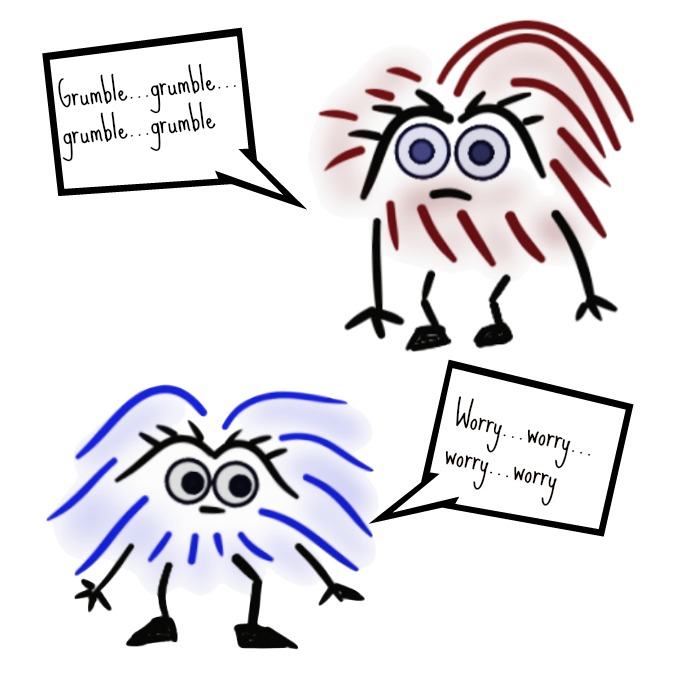

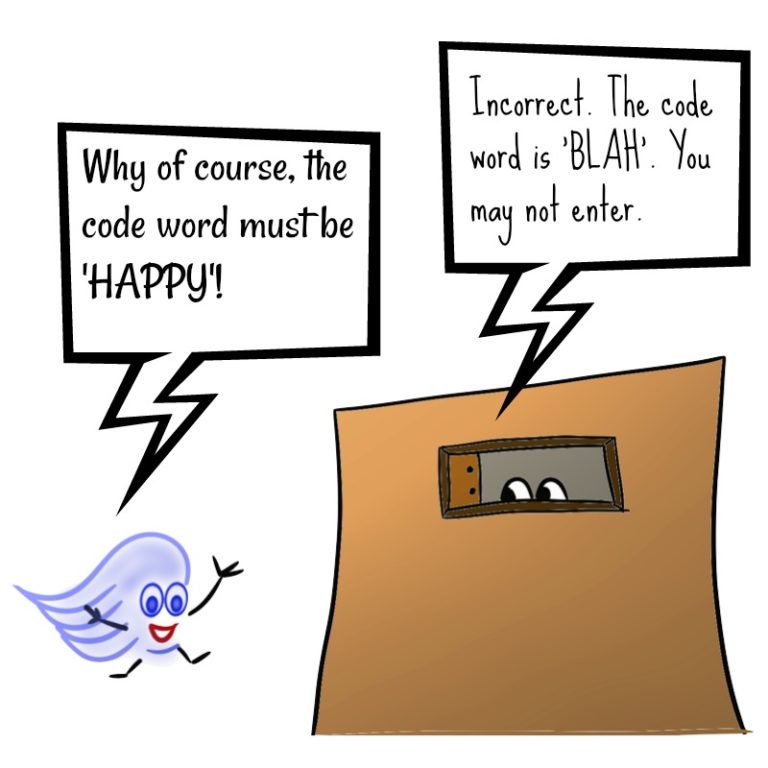
Hard feelings are something every person carries at some point. But if you're grieving, you've probably met an especially stubborn version of them lately. Whatever shape your difficult emotions take, they all want the same thing: as much room in your life as you'll give them. They thrive on your attention and they push hard to get it. They make noise, drown out gentler feelings, and convince you that ignoring them isn't an option.
Certain circumstances make people more vulnerable to this pull — grief, trauma, and mental health struggles among them. These experiences can narrow a person's focus so much that difficult feelings, thoughts, and memories start crowding out anything lighter. Left unchecked, a grieving person may end up turning away positive emotion entirely, the way a bouncer turns people away at the door of a club nobody wants to be at.
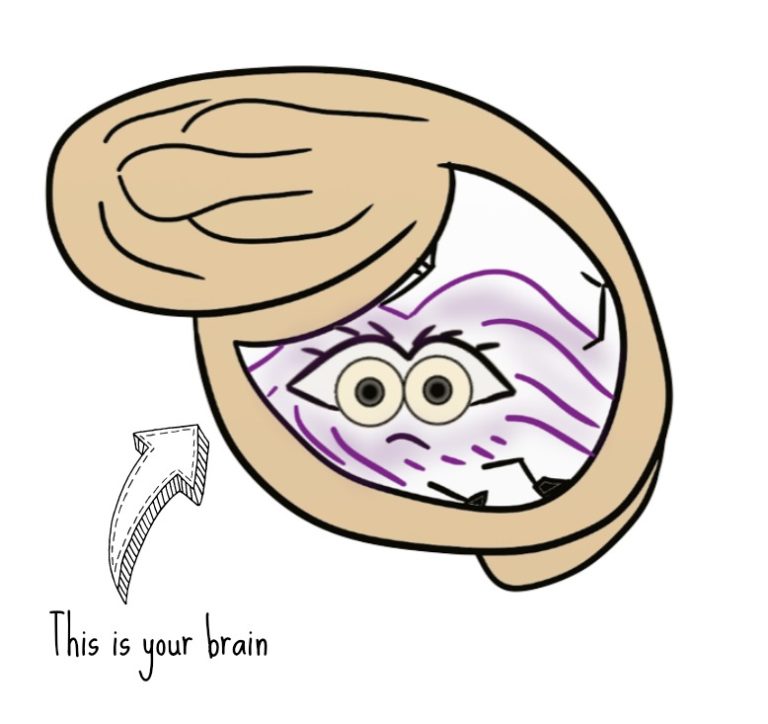
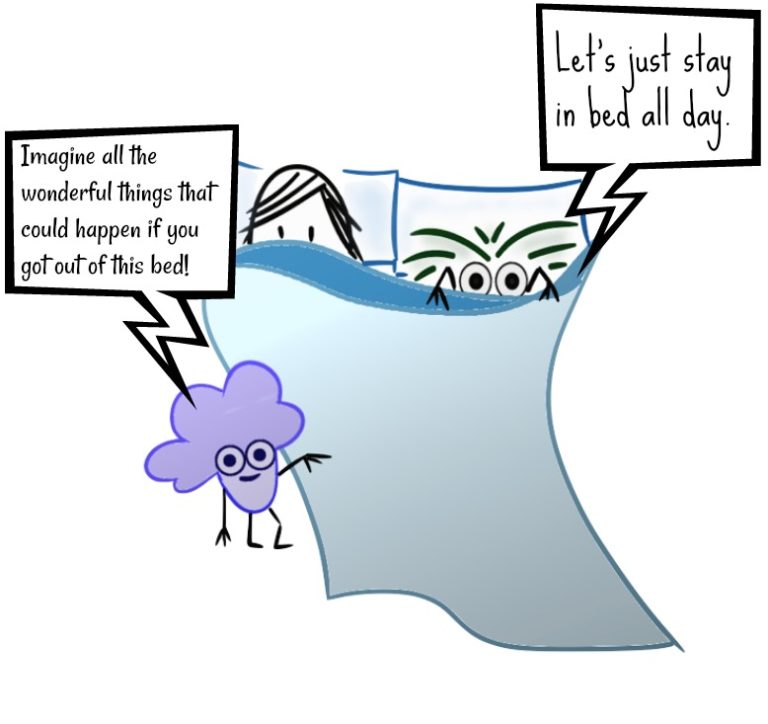
When difficult emotions are given free rein, they distort how you think. They reinforce your worst assumptions, cloud your view of the world, and skew how you see yourself and the people around you. Left to grow, they can eventually take up all the space you have — which is often around the same time getting out of bed and getting dressed starts to feel pointless.
Naming the real problem
Before going further, pause and notice what you're feeling right now. Don't limit yourself to one emotion — try to notice the whole mix of what's present. If you have paper nearby, jot it down. Then ask yourself: are these feelings all negative, all positive, or some combination?
Ideally, it's a combination. Feelings we tend to label as negative — pain, longing, yearning, sadness — are a natural part of loving someone who has died. Tolerating them is part of staying connected to that person. Some people even come to value these feelings, since they're proof that their loved one mattered and that the loss still matters too.
Here's the counterintuitive part: difficult emotions themselves aren't the problem. The problem is letting them take up so much room that nothing positive — no thought, feeling, or experience — has space to exist. You need to protect at least a small corner of your mind where good things can still live.
One griever described noticing, on a particularly hard day, that they felt stressed and anxious — feelings that usually left them paralyzed, stuck in bed, unable to function. But that day was different. Digging into why, they realized hope was present too, running alongside the stress. That hope tipped the balance and gave them a reason to keep going.
Making room for the good stuff too
The goal isn't to get rid of difficult emotion — that's not realistic and it's not the point. Instead, aim for two things: cope with difficult feelings well enough that they don't take over, and actively give attention to positive emotion, memory, and experience. Here's how to start.
1. Practice tolerating difficult emotion. Sadness, guilt, anger, and anxiety don't disappear just because you'd like them to — especially not after losing someone you love. Many people instinctively try to outrun or avoid these feelings, but avoidance almost always backfires. These emotions surface when you least expect them. Try to stamp them out entirely and you'll spend all your energy playing an exhausting game of whack-a-mole, shutting out everything else in the process. For more on avoidance in grief, head here.
2. Give difficult emotion less of your attention. Just because a hard feeling wants your full focus doesn't mean it should get it. Difficult emotions behave a bit like spoiled children — give them free rein and they'll take over. They need limits, and sometimes they need to hear no.
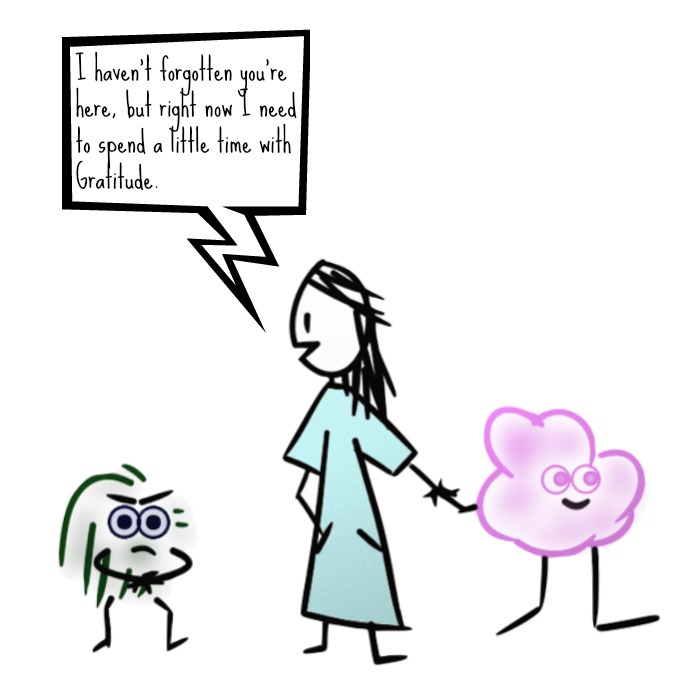
3. Actively build well-being and positive emotion. As discussed in A Balanced Approach to Coping With Life After Loss, coping well means more than managing the pain directly tied to your loss. It also means investing in your overall well-being and adjustment. The logic is simple: the better you feel overall, the more strength you have to face grief when it shows up. For a deeper look at building well-being, see this piece as well.
4. Leave room for good memories and an ongoing bond. Some people avoid nurturing a continued connection to their loved one, either out of fear that it will stir up painful emotion, or because they feel pressured to
Create a memorial for the person you love
Start with their name. It is free, takes a minute, and no account is needed.
This article is general information, not professional legal, financial, tax, or medical advice. The right steps depend on your situation and the laws of your state — when it matters, check with a qualified professional.