Grief support
8 Things This Is Us Gets Right (and Wrong) About Grief
This Is Us finished its first season last week, and if you're still catching up or considering a binge, take this as your warning: spoilers ahead. If you haven't finished Season One and plan to, bookmark this page and come back once you're caught up.
This piece looks at how the show handled grief across the back half of the season — what it captured well, and where it missed the mark. Here are eight things worth appreciating, and a few things worth questioning.
Eight things the show gets right about grief
1. Continuing bonds are real, and they're normal
Earlier episodes showed this through Kate's Sunday football ritual and the family's Thanksgiving traditions. Later, we see it again as Randall tries to find ways to stay connected to his biological father, William. He wrestles with how to carry his father's legacy forward once William is gone. The season leaves us with a cliffhanger: inspired by his father's advice to slow down and enjoy life, Randall quits his job. That decision leads straight into the next thing worth noting.
2. Grief can reshuffle your priorities, for better or worse
We don't yet know how walking away from his job will affect someone as buttoned-up as Randall, but the choice doesn't feel far-fetched — plenty of grieving people have stood at that same edge. Maybe you never actually quit your job, but you've probably thought about it. Even without William's parting words about rolling the windows down and turning up the music, loss has a way of shifting how people see their lives. Things that once felt urgent stop mattering, and risks that once felt too big start to feel worth taking. It'll be interesting to see how this plays out in Season Two.
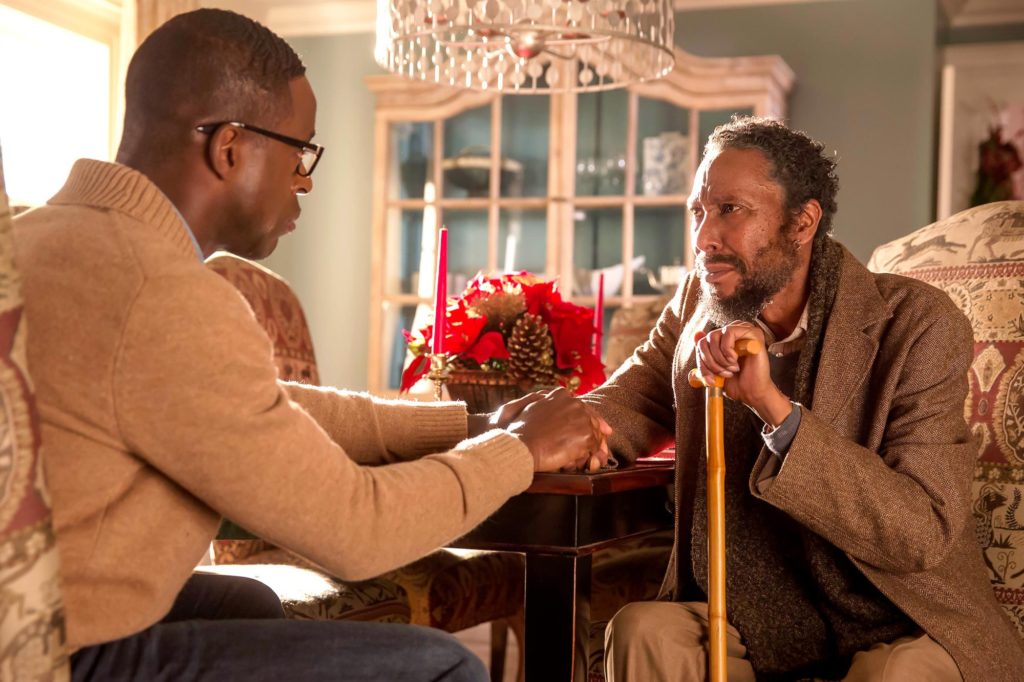
3. Talking to kids about death matters, and adults rarely agree on how
Watching the show, there's real tension around whether Randall's daughters are being prepared for William's decline. The disagreements between Randall and Beth about when and how much to tell their girls echo conversations many families have about illness and children. There's no single right answer for timing or approach, but the show makes clear these aren't one-time talks — they're ongoing conversations about illness, dying, and loss. And just like this family, real families often can't agree on how to handle them.
4. Many of us wish we'd had one last road trip with someone we lost
Viewers said as much when this question came up on social media. Sure, it's a little cinematic, but who wouldn't want that kind of time together before saying goodbye? Sometimes a story earns credit not for being realistic, but for giving us the ending we wished we'd had.
4. Denial that someone is really dying — it happens
The hospital scene where Randall assumes his father has months left, only for the doctor to say William won't be leaving the hospital, is worth sitting with. If you haven't lived through this kind of loss, the gap between Randall's expectation and reality might seem exaggerated. You could chalk it up to Hollywood — after all, William was healthy enough to play music with the band the night before. But it's also not far off from how denial actually works. Families often struggle to accept how far a disease has progressed. You convince yourself there's more time than there is, no matter what the signs — or the people around you — are saying.
5. Talking about losing someone is hard, even with people you love
If you've never grieved deeply, Kate's reluctance to talk with Toby — the man she loves and plans to marry — about her father's death might seem strange. If you have grieved, you probably recognize that some doors only open when a person is truly ready. Kate clearly wants, in theory, to let Toby in. In practice, that's much harder. It becomes even more understandable once we learn she still carries guilt, believing she played a role in her father's death — another thread left for Season Two.
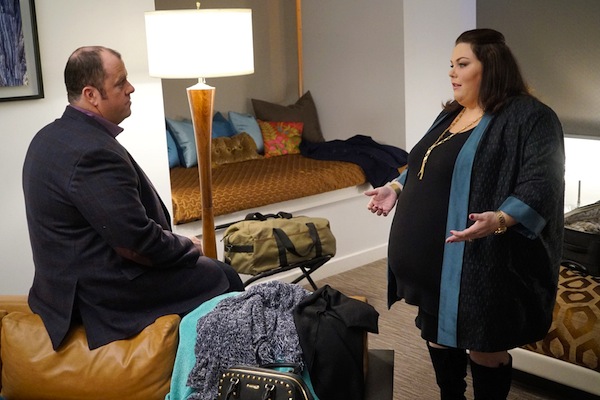
6. Stillbirth grief is devastating, and it doesn't fade in a matter of weeks
The show has been widely praised for addressing stillbirth, a loss rarely shown on television at all. That alone is worth appreciating. What stands out even more is that this grief wasn't confined to a single episode — the show kept returning to it, showing how it continued shaping the characters' lives well beyond the initial loss.
7. A parent remarrying a family friend after losing a spouse is complicated — even for grown children
We don't yet know the full backstory, but it's clear the kids aren't entirely comfortable with their mother marrying Miguel, their late father's best friend. Even without knowing the details, it's easy to imagine how difficult that could be to accept, no matter how old the children are. Without more context about his relationship with the family, Miguel can be hard to fully embrace as a character. But it helped to finally see his own grief surface near the end of the season, in his conversation with Kevin about losing his best friend. That moment brought a sympathy for him that hadn't been there earlier.
8. Grief changes shape, but it never fully leaves
The episode centered on William's death fills in his whole story. Through flashbacks, it builds a remarkably full picture of his relationship with his mother in the space of one episode — showing both the impact of her death on his life and the way their bond continued right up until William's own passing. When William says the two most important people in his life were the one who was there at the start and the one who was there at the end, he names something true: we don't close a door and move on once someone dies. We carry them with us.
A few things the show doesn't get quite right
1. Grief doesn't usually resolve the way Dr. K's does
The back half of the season fills in Dr. K's history, revealing the depth of his grief after his wife's death and his strained relationship with his son. That part rings true. What's harder to accept is the way he seems to "snap out of it." People can absolutely make a deliberate choice to move forward, but even then, no one goes from the edge of grief to the sunny side of the street in one leap. It's understandable — the show only had one episode to tell that story. But it risks suggesting grief or depression can be willed away overnight, and that's not how it works.
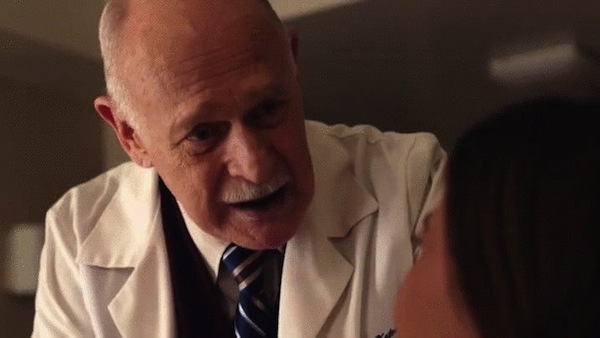
2. William's death was beautifully done — but real death is rarely this tidy
This echoes a familiar complaint about how television tends to romanticize dying. William is thriving the night before, playing music with the band. The next day, he's in a hospital bed — comfortable, alert, clear-headed, and at peace. He and Randall get their moment. He says his goodbyes to everyone else. It's the kind of death many people hope for and few actually get. Seeing this pattern again and again on screen can leave real grievers feeling like they missed out on the ending they were supposed to have.
3. Toying with the audience over Jack's death in the finale felt unnecessary
This is less a complaint about how the show handled grief and more about how it handled its viewers. Not knowing exactly how Jack died by season's end isn't the issue — the issue is being led to believe, deliberately, that he died in a drunk-driving accident. There's a difference between leaving an audience curious and cranking up their emotions just for effect. The show is already an emotional ride without needing an extra reminder of how tightly it can grip its audience.
No one knows yet what Season Two will bring, but the show's willingness to sit with grief — imperfections and all — gives viewers plenty worth thinking about.
Create a memorial for the person you love
Start with their name. It is free, takes a minute, and no account is needed.
This article is general information, not professional legal, financial, tax, or medical advice. The right steps depend on your situation and the laws of your state — when it matters, check with a qualified professional.